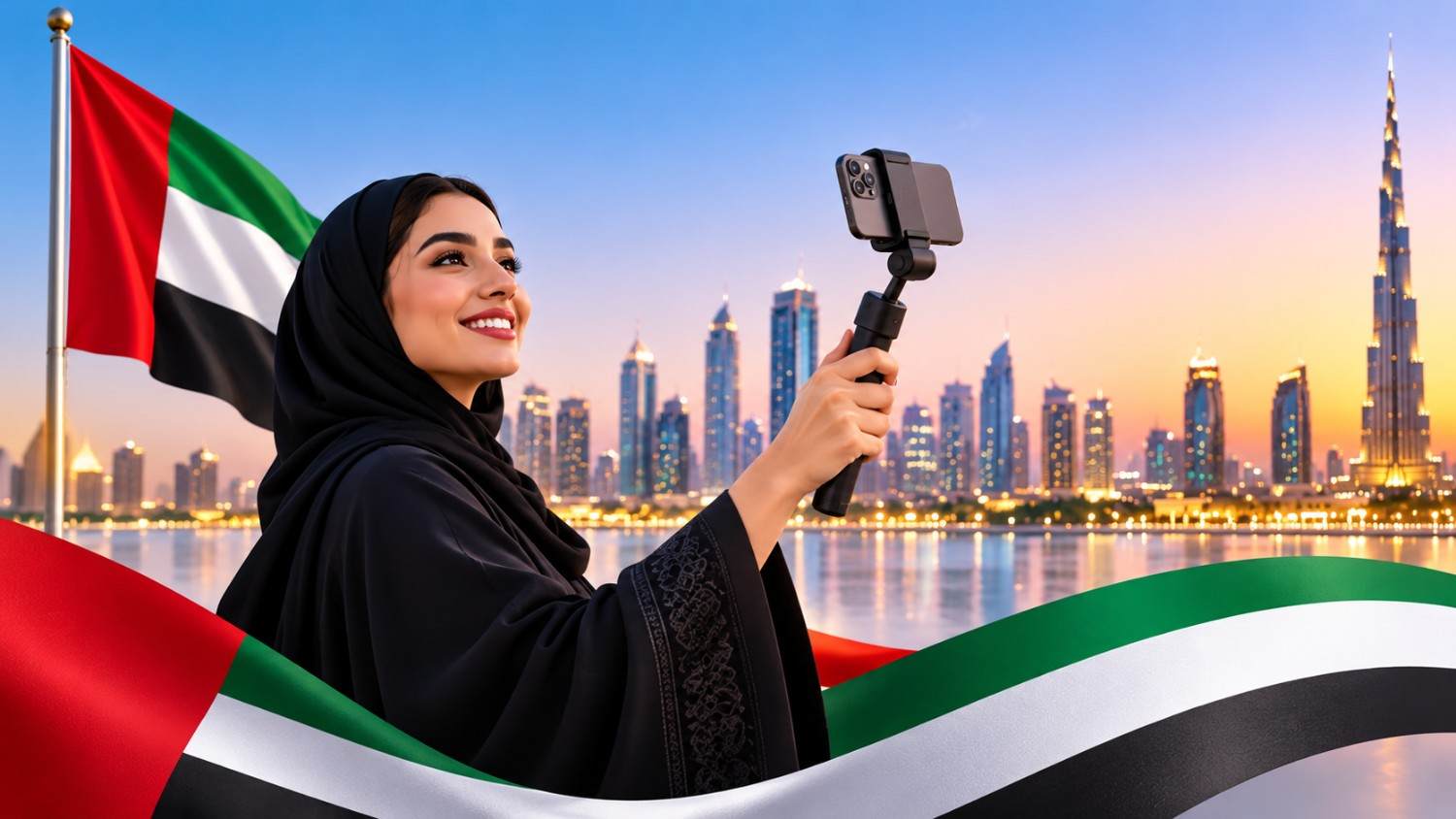
Dubai Shopping Festival creates a huge retail opportunity. It also creates a huge amount of noise.
From 4 December 2026 to 17 January 2027, DSF will bring together shopping offers, entertainment, dining, outdoor experiences, raffles and citywide activations across Dubai.
For brands, that means more shoppers are active. But it also means more brands are competing for the same attention.
This is where influencers can play a meaningful role. A creator can do more than announce that a sale is live.
They can help a customer discover a product, understand why it is relevant, see how it fits into their life and decide whether the offer is worth acting on.
That makes influencer marketing particularly useful during a high-intent shopping period like DSF. The goal is not simply to hire creators because it is a major retail event.
It is to understand where creator influence can actually change the customer's shopping decision.
Why Influencers Matter During Dubai Shopping Festival
During DSF:
- Shoppers are surrounded by promotions.
- Retailers compete on discounts.
- Malls run activations.
- Brands increase advertising.
- Creators publish shopping content.
- Customers have more choices than usual.
Simply adding another promotional message may not be enough to stand out. Influencers can help turn that promotional message into something more useful.
Instead of:
“Our DSF sale is now live.”
A creator might show:
- The products they would actually buy
- How an item looks or works in real life
- Which deal offers the strongest value
- What shoppers can expect in store
- How several products compare
- Why they personally chose one product over another
This moves the content from promotion toward recommendation And recommendations can become especially valuable when customers are already deciding where to spend.
Customers already know DSF has offers; creator content should help them decide which offers deserve their attention.
What Role Can Creators Play During DSF?
Not every influencer campaign should have the same job.
The creator's role should depend on what the brand needs customers to do.
-A new brand entering Dubai may need discovery.
-An established retailer may need store traffic.
-A beauty brand may need creators to demonstrate products.
-An ecommerce brand may need product proof combined with a clear offer.
-The creator should be selected after that job is defined.
Creator selection becomes easier when the brand knows what customer behaviour it wants to influence.
Which Creators Should Brands Choose for DSF?
Follower count should not be the starting point.
A creator with a large global audience may look impressive but have limited relevance if only a small percentage of followers are in the UAE.
For a DSF campaign, brands should look more closely at:
- UAE audience share
- Dubai relevance
- Audience age
- Audience interests
- Language
- Engagement quality
- Content category
- Platform
- Previous brand partnerships
- Content style
- Audience credibility
CloutScout helps brands research creators across Instagram, TikTok and YouTube using audience and performance data, with more than 252 million creator profiles and over 20 discovery filters currently available on the platform.
-The right creator also depends on the category.
-Fashion creators can build shopping edits and outfit ideas.
-Beauty creators can demonstrate products and routines.
-Food creators can cover dining offers and activations.
-Family creators can highlight experiences that appeal to parents.
-Automotive creators may be more relevant for car-related DSF activity.
Micro and nano creators can also be useful when the objective is to reach specific communities rather than generate the largest possible number of impressions.
A creator with 50,000 relevant UAE followers may be more valuable than one with 500,000 followers in markets the brand cannot serve.
What Content Should Brands Brief Creators to Produce?
One of the fastest ways to make influencer content feel like advertising is to give every creator the same promotional script.
DSF content should still communicate the offer.
But it should give the creator enough room to make that offer relevant to their audience. A useful brief should start with the customer question.
For example:
What should I buy?
Use shopping picks, favourites or gift guides.
Is this product worth it?
Use reviews, demonstrations or comparisons.
What is happening in store?
Use walkthroughs or event content.
Is this actually a good deal?
Use a deal breakdown or before-and-after price explanation.
How would I use this product?
Use routines, styling content or real-life demonstrations.
Useful DSF formats can include:
- Shopping hauls
- “What I would buy” videos
- Product comparisons
- Store walkthroughs
- Gift guides
- Product demonstrations
- Creator favourites
- Deal breakdowns
- Event coverage
- Family day itineraries
- “Worth it?” reviews
The promotional message should be clear. But the creator should still sound like the creator.
The brand provides the message; the creator provides the reason people may actually listen to it.
How Should Brands Pay Creators and Plan Usage Rights?
Payment should reflect what the brand is asking the creator to deliver. A basic partnership may include a flat fee for agreed content.
Other campaigns may combine:
- Flat fees
- Product gifting
- Affiliate commission
- Performance bonuses
- Hybrid compensation
The commercial scope becomes more important if the brand also wants to reuse the content.
A strong DSF Reel may later become useful for:
- Meta Ads
- TikTok Ads
- Brand social channels
- Ecommerce pages
- Email campaigns
- Retargeting
That means influencer content usage rights should be agreed before production begins.
Brands should define:
- Which platforms are included
- Organic or paid usage
- Usage duration
- Territory
- Editing rights
- Creator identity usage
- Renewal terms
A seasonal campaign makes timing particularly important. If the brand wants paid usage throughout DSF, the rights should cover the full campaign period.
If the asset is likely to remain relevant after DSF, the brand may want to negotiate a longer licence. A high-performing creator asset becomes much more valuable when the brand already has permission to scale it.
How Should Brands Amplify Creator Content During DSF?
Organic creator reach is only one part of the opportunity. Once strong content starts appearing, brands can identify which assets deserve additional distribution.
This may include boosting creator content through paid media or using authorised creator assets in performance campaigns. But not every high-engagement post needs media budget.
A video may perform well organically because the creator's existing audience already knows and trusts them. Paid distribution exposes the content to people who may have no relationship with the creator.
Before scaling, ask:
- Does the product appear quickly enough?
- Is the message understandable without context?
- Does the creator explain why the product matters?
- Is the DSF offer clear?
- Is there enough proof?
- Is there a clear next action?
The best paid creator asset may not be the post with the most likes. It may be the one that explains the product most clearly and converts unfamiliar customers more efficiently.
A useful approach is:
Organic Content → Identify Strong Messages → Paid Test → Measure → Scale Winners
This allows creator activity and paid media to work together rather than operating as separate campaign streams.
How Should Brands Measure DSF Influencer Marketing?
Measurement should begin with the campaign objective. If the objective is awareness, reach and quality views may be useful. If the campaign is meant to drive ecommerce sales, engagement alone is not enough.
-Brands should also compare creator performance beyond headline reach.
-One creator may generate more views.
-Another may drive more qualified traffic.
-Another may produce content that performs particularly well when reused in paid media.
-Those are different forms of value.
-The campaign should be measured against the role each creator was hired to play.
CloutScout positions creator selection and measurement around audience relevance and performance data rather than follower count alone, helping brands evaluate partnerships with more commercial context.
The KPI should reflect the campaign objective, not simply the metrics the platform makes easiest to report.
Frequently Asked Questions About DSF Influencer Marketing
When Is Dubai Shopping Festival 2026-2027?
Dubai Shopping Festival runs from 4 December 2026 to 17 January 2027.
Why Should Brands Use Influencers During Dubai Shopping Festival?
Influencers can help brands turn DSF promotions into recommendations, demonstrations and shopping content that supports customer discovery and purchase decisions.
Which Influencers Are Best for DSF Campaigns?
The best DSF influencers are creators whose audience location, interests, platform and content style align with the brand's target customer.
Are Micro Influencers Good for Dubai Shopping Festival?
Micro influencers can work well during DSF when their audience is highly relevant to the brand's category and UAE target market.
What Content Should Influencers Create for DSF?
DSF influencer content can include shopping guides, product demonstrations, comparisons, store visits, reviews, deal breakdowns and event coverage.
Can Brands Run DSF Influencer Content as Paid Ads?
Brands can amplify creator content through paid media when the appropriate content usage and advertising permissions have been agreed.
How Should Brands Measure DSF Influencer Campaigns?
Brands should measure DSF influencer campaigns against their original objective using metrics such as reach, traffic, redemptions, sales, CPA, CAC or new customers.
Turn DSF Attention Into Customer Action
Dubai Shopping Festival gives brands access to a large seasonal shopping moment.
Influencers can help make that opportunity more useful. But only when each creator has a clear role.
-Start with the customer behaviour the campaign needs to influence.
-Choose creators based on audience relevance.
-Brief content around real shopping decisions.
-Agree payment and usage rights before production.
-Amplify the strongest messages.
Then measure whether creator activity actually moved the customer closer to the outcome the brand wanted.
The framework is simple:
Objective → Audience → Creator → Content → Rights → Amplification → Measurement
CloutScout helps brands find and evaluate creators using audience and performance data across Instagram, TikTok and YouTube, making it easier to build DSF partnerships around relevance rather than follower count alone.
During DSF, the goal is not to have more creators talking about the brand; it is to have the right creators influence the right shopping decisions.