_11zon.jpg)
Quick Answer: What Is a UGC Creator?
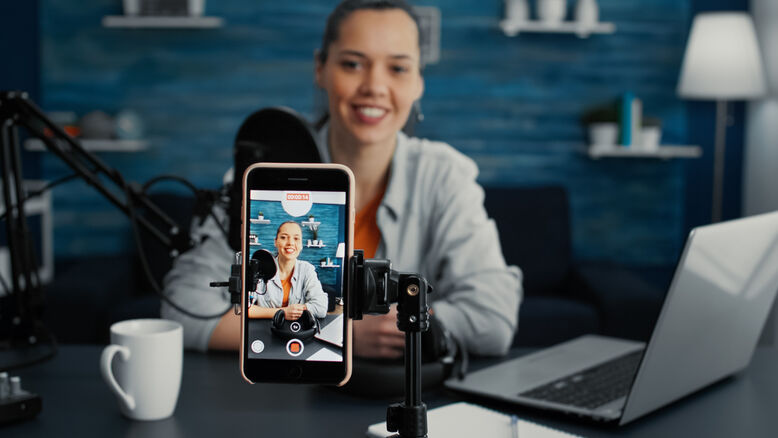
A UGC creator produces authentic social media-style content for a brand without needing a large following. Brands hire UGC creators for their video, photography, communication, and content production skills rather than access to their audience.
The content created can be used across multiple marketing channels, including paid advertisements, product pages, landing pages, email campaigns, and organic social media. Unlike influencer marketing, UGC partnerships usually do not require creators to publish the content on their own accounts.
Why UGC Is Outperforming Traditional Content in 2026?
Traditional advertising often relies on highly produced videos, but many brands are now seeing stronger results from user-generated content (UGC). Creator-led videos feel more authentic, fit naturally into social media platforms, and often build stronger connections with audiences.
UGC Builds More Trust With Consumers
The biggest advantage of UGC is authenticity. Consumers often trust content from real people more than polished brand messages, making creator-led content more effective for influencing purchase decisions.
92% of consumers trust peer recommendations over brand messages — and 84% say they trust a brand more when it features real customer content in its marketing (Nielsen, 2026).
UGC helps brands create more relatable product experiences, build credibility through real customer perspectives, increase engagement with content that feels native to social platforms, and reduce the distance between brands and audiences.
UGC Can Improve Conversion Performance
UGC is becoming a valuable tool for brands focused on conversions. Pages and campaigns that include creator-generated content can help customers better understand products, see real use cases, and feel more confident before purchasing.
In Q1 2026, UGC-driven social posts converted at 6.73× the rate of non-UGC posts, a 57% increase quarter-over-quarter (Emplifi, April 2026). UGC ads also deliver 4× higher click-through rates and 50% lower cost per click compared with traditional brand creative (Marketing LTB, 2026).
Despite the evidence, only 16% of brands currently have a dedicated UGC strategy (Archive, 2026). That gap is the opportunity, brands that build a systematic approach to UGC creator discovery and testing are competing in a largely uncrowded space. CloutScout helps brands close that gap through data-driven creator discovery across 252 million+ profiles.
How CloutScout Helps Brands Find and Vet UGC Creators?
Finding the right UGC creators can be challenging for brands. A creator with a large following does not always deliver the best results. Brands need creators who match their audience, content style, and campaign objectives.
CloutScout helps brands discover and vet UGC creators with access to more than 252 million creator profiles across Instagram, TikTok, and YouTube. Brands can use more than 20 advanced filters to find creators based on campaign requirements, compare creator profiles, review audience insights, evaluate content relevance, and shortlist potential partners before outreach.
While UGC creators focus on producing authentic content, bloggers and influencers often help brands expand reach through their established audiences.
Why Finding UGC Creators Is Difficult?
Many marketing teams still rely on manual searches through Instagram and TikTok, searching hashtags, reviewing profiles, checking previous brand collaborations, comparing engagement and content quality, and saving potential creators in spreadsheets. These methods may not provide enough visibility into creator niche, engagement quality, content style and production level, previous brand partnerships, or audience demographics.
What Brands Should Look For in UGC Creators?
What Content Does a UGC Creator Make?
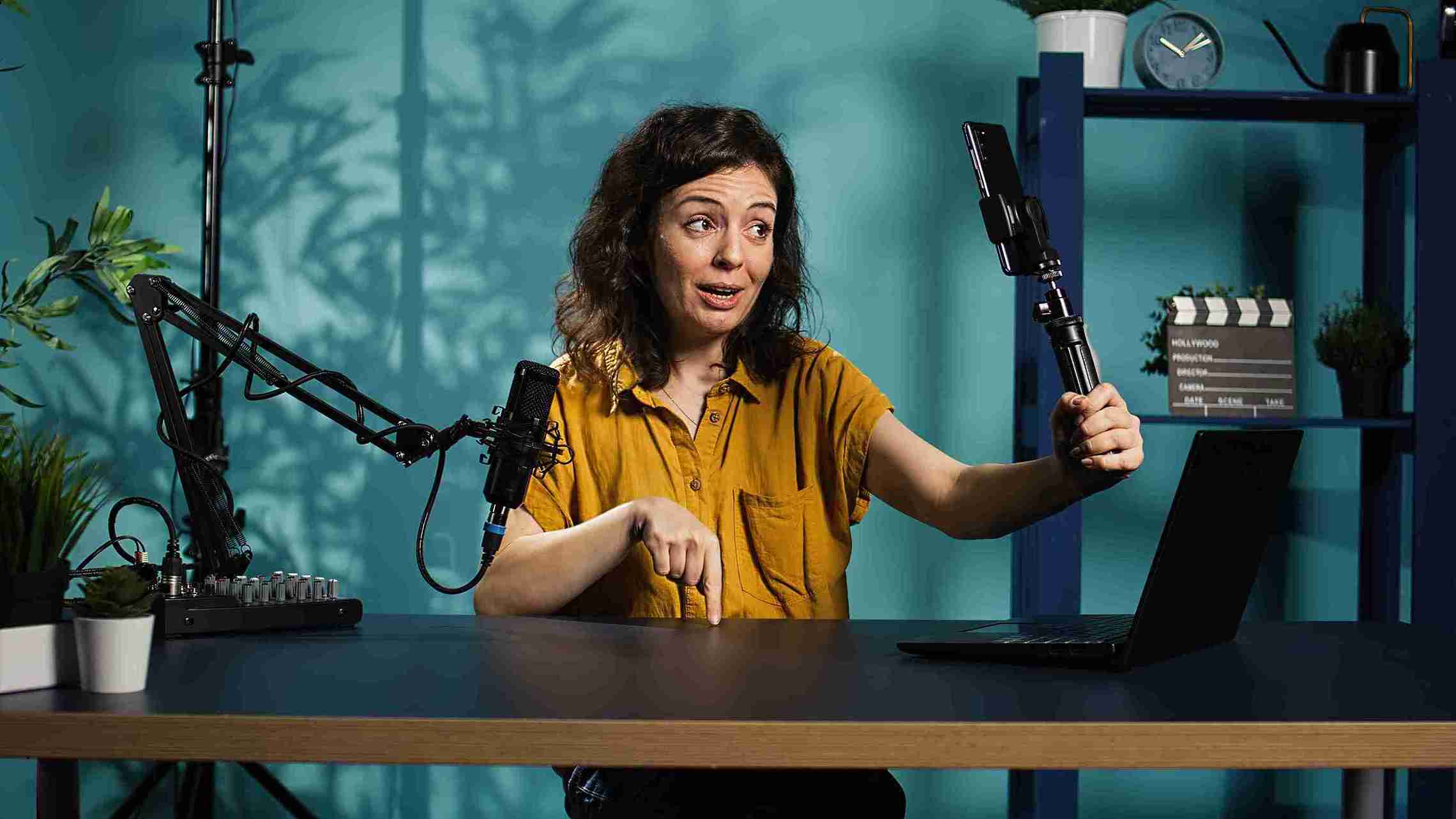
UGC creators can produce product reviews, unboxing videos, customer testimonials, tutorials and how-to videos, before-and-after content, product demonstrations, and lifestyle videos.
Do UGC Creators Need Their Own Audience?
Not always. A UGC creator does not usually need to publish the content on their personal social media accounts. Instead, the creator provides the finished videos, images, or raw content files to the brand. The brand then uses this content across its own advertising channels, website, and social media platforms.
Many cosmetic brands successfully combine influencer campaigns with UGC content to increase credibility across paid and organic channels.
UGC Creators vs. Influencers: What Is the Difference?
UGC creators and influencers play different roles. UGC creators focus on producing authentic content brands can use across ads, websites, and social media. Influencers use their existing audience to distribute content. Many brands combine both strategies — influencers for reach, UGC creators for scalable performance-focused content.
For UAE and GCC campaigns, effective UGC ads should be mobile-first, attention-grabbing, and focused on the product quickly. A strong structure usually includes an immediate hook, early product introduction, clear benefits, and a direct call to action within a short format (around 12–30 seconds).
What to Look for and How to Evaluate a UGC Creator?
A large follower count does not make someone a strong UGC creator. Brands should evaluate content quality, communication style, niche fit, and usage terms before starting any collaboration.
Deeper evaluation guide, apply these criteria when reviewing creator portfolios:
1. Content Quality
UGC should feel natural but still meet basic professional standards. Review complete videos, not screenshots alone. Look for clear audio, good lighting, clean backgrounds, stable video, and content that feels authentic and easy to adapt across platforms.
2. Hook Strength
The first 2–3 seconds decide whether viewers continue watching. Strong UGC creators capture attention through a problem statement, a question, a surprising result, or a personal experience. Examples: 'This is what I wish I knew before ordering.' / 'If you struggle with dry skin, watch this.'
3. Natural Delivery
Effective UGC feels like a real recommendation, not a scripted advertisement. The creator should be comfortable on camera and able to explain the product naturally without reading from a script.
4. Niche and Product Fit
The best creator depends on the product category. A creator suitable for a restaurant campaign may not be the right choice for skincare, finance, or fitness. Consider creator niche, audience type, content style, and brand tone.
5. Language and Cultural Fit
For UAE and GCC campaigns, cultural relevance matters. Choose creators based on language requirements (English, Arabic, Gulf Arabic, Saudi Arabic, or bilingual), pronunciation and communication style, and local references.
6. Usage Rights
Confirm how the content can be used before production starts. Agreements should clarify: organic social media, paid advertising, website and landing pages, product pages, email and WhatsApp, raw footage, regional or global usage, and repurposing permissions.
7. Production Equipment
UGC creators do not need expensive equipment. A modern smartphone, good lighting, stable framing, and clear audio are often enough. The goal is content that feels native to the platform while remaining high-quality and usable.
CloutScout helps brands find and evaluate creators based on niche, audience, content style, and campaign requirements. Request a demo.
Beauty brands often work with both established beauty influencers and UGC creators to create a balanced content strategy.
How to Brief a UGC Creator Effectively?
A strong UGC brief helps creators produce content that matches the brand's goals while keeping the natural style that makes UGC effective. Poor briefs lead to unclear messaging, weak content, or videos that do not connect with the target audience.
1. Define One Clear Message
Every UGC video should focus on one main idea. Avoid asking a short video to explain multiple features, offers, and benefits at the same time. Choose one key message. Additional benefits can be tested through separate content variations.
2. Provide Hook Ideas
Give creators two or three hook options while allowing them to adapt the wording naturally. Examples: 'I have been using this for 30 days, and here is what happened.' / 'I was sceptical about this, but…' / 'If you are dealing with this problem, watch this.' / 'This is the easiest way I found to…'
3. Share Key Product Benefits
Include the main product claims that must appear in the video. Keep the list short and ensure all information is accurate and approved — especially important for beauty, health, finance, and real estate.
4. Add One Clear Call to Action
Every UGC asset should have one main action: shop now, visit the website, use a discount code, book a consultation, download the app, or contact the brand. Multiple CTAs reduce clarity and weaken performance.
5. Define Content Requirements
Include technical details: vertical 9:16 format, minimum video resolution, clear audio quality, captions and text requirements, safe zones for platform overlays, and MP4 delivery format. Clarify whether you need one final video or multiple clips.
6. Confirm Usage Rights
Agree on usage rights before production starts, where the content will be used, for how long, and whether the brand can edit or repurpose it.
7. Share References, Not Copies
Reference videos help creators understand preferred style, pacing, and tone. Creators should maintain their own voice and avoid copying another creator's content. The best briefs provide clear direction while leaving room for authentic delivery.
Where to Use UGC Content Once You Have It?
One of the biggest mistakes brands make is using a UGC asset in only one place. A strong creator video can support several marketing channels at the same time.
Content should be adapted based on the platform. A TikTok video may need different pacing, captions, music, or branding when used on Instagram or YouTube.
Keep all individual metric explanations (Three-Second Hold Rate, Watch Time, CTR, CPC, Conversion Rate, ROAS, CPA, Best-Performing Creative Angle) in full, these are well-written and practically useful.
Common Mistakes Brands Make With UGC Creators
Keep all 11 mistake sections in full, Over-Scripting, Too Many Messages, Testing Only One Angle, Hiring by Follower Count, Expecting Influencer Reach, Evaluating Only Visual Quality, Unclear CTA, Ignoring Arabic Content, Ignoring Platform Safe Zones, Using UGC Only Once, Skipping Content Rights Agreements. All are well-written with no overlap.
Coordinating UGC creators alongside influencers becomes much easier with structured influencer marketing services.
Frequently Asked Questions About UGC Creators
What is a UGC creator?
A UGC creator is someone who produces authentic, creator-style content for brands. This content can include product reviews, unboxing videos, tutorials, demonstrations, testimonials, and lifestyle videos.
UGC creators are mainly hired for their content production skills rather than their audience size.
Do UGC creators need a large following?
No. UGC creators do not need a large following because brands usually pay for the content itself, not access to the creator’s audience.
The brand can use the content across paid ads, websites, product pages, email campaigns, and social media channels.
What is the difference between UGC and influencer marketing?
UGC creators are hired to produce content that brands can use across their own channels, while influencers are usually paid to share content with their existing audience.
UGC focuses on content production, whereas influencer marketing focuses on audience reach and distribution.
What types of content do UGC creators make?
UGC creators produce different types of content, including:
- Product reviews.
- Unboxing videos.
- Tutorials.
- Testimonials.
- Demonstrations.
- Before-and-after videos.
- Lifestyle content.
- Short-form vertical videos for TikTok, Instagram Reels, and YouTube Shorts.
Why do brands use UGC content?
UGC helps brands create more authentic and relatable content. By showing products through real people, demonstrations, and personal experiences, UGC can help improve trust, engagement, and campaign performance.
How long should a UGC ad be?
Many UGC ads designed for direct response campaigns are around 12–30 seconds long.
The ideal length depends on the platform, product, audience, and campaign goal. The first few seconds should capture attention, and the main product benefit should appear early.
Should brands give UGC creators a script?
Brands should provide clear guidance, including key messages, approved claims, hook ideas, and the desired call to action.
However, a strict word-for-word script can make the content feel unnatural. Creators should have flexibility to deliver the message in their own style.
Can brands use UGC in paid advertisements?
Yes, if paid advertising rights are included in the agreement.
Brands should confirm usage rights, platforms, regions, duration, and editing permissions before production begins.
Can one UGC video be used across multiple marketing channels?
Yes. With the correct usage rights, one UGC asset can be adapted for paid ads, product pages, landing pages, email campaigns, organic social media, and retargeting.
Different platforms may require different edits, formats, captions, or video lengths.
How can brands find UGC creators?
Brands can find UGC creators through creator platforms, social media searches, recommendations, or creator databases.
CloutScout help brands discover, compare, and evaluate creators across Instagram, TikTok, and YouTube using filters, audience insights, and creator data.
How much do UGC creators charge?
UGC creator pricing depends on factors such as experience, video format, production requirements, revisions, turnaround time, raw footage, and usage rights.
Basic short-form UGC videos often range from around $100 to $500 per deliverable, while more experienced creators or campaigns requiring paid advertising rights may cost more.
Find the Right UGC Creators With CloutScout
Finding the right UGC creator is about content quality, niche fit, and campaign alignment, not follower count. CloutScout helps brands discover, compare, and shortlist UGC creators across Instagram, TikTok, and YouTube using 252M+ profiles, 20+ advanced filters, and audience insights. Find UGC creators that match your brand, products, and campaign objectives with CloutScout. Request a demo today.
CloutScout helps brands simplify UGC creator discovery and evaluation by providing access to:
- More than 252 million creator profiles across Instagram, TikTok, and YouTube.
- 20+ advanced filters to find creators by niche, audience, and content style.
- Audience and engagement insights to support better creator decisions.
- Creator profiles with relevant brand and category experience.
- English, Arabic, and bilingual creators for UAE and GCC campaigns.
- Platform-native creators who produce effective vertical content.
Instead of relying on manual searches or familiar creator names, brands can compare profiles, shortlist relevant creators, and identify the best matches for their campaigns faster.
The right UGC creator can help brands produce stronger content, communicate their message more effectively, and connect with the right audience.
Find UGC creators that match your brand, products, and campaign objectives with CloutScout. Request a demo today.