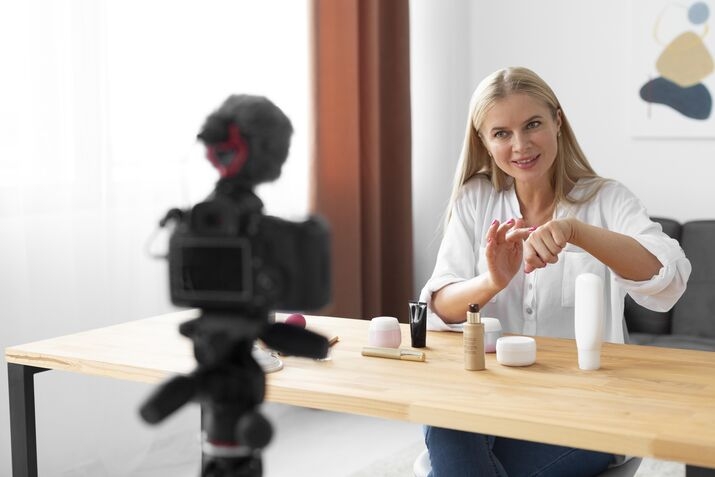
Lifestyle influencers can give brands something popularity alone cannot guarantee: relevance.
The right creator connects a product with an audience that genuinely cares about the category, lifestyle and market.
That is why follower count should never be the only selection criterion. A large creator may reach the wrong audience, while a smaller lifestyle creator may offer stronger engagement and a more natural brand fit.
Successful lifestyle influencer partnerships depend on audience relevance, content quality, authentic engagement, geographic fit and campaign goals.
CloutScout helps brands discover and evaluate lifestyle influencers using audience insights and creator performance data across Instagram, TikTok and YouTube, making it easier to identify creators who match the right audience and campaign.
What Are Lifestyle Influencers?
Lifestyle influencers are social media creators who share content around their routines, interests, experiences and everyday choices.
Their content can cover areas such as:
- Fashion and beauty: Styling, trends, shopping and product recommendations.
- Travel and luxury: Destinations, hotels, dining, premium fashion and experiences.
- Food and lifestyle: Restaurants, recipes, daily routines and product recommendations.
- Fitness and wellness: Exercise, self-care, healthy routines and wellness products.
- Home and family: Home organisation, family life, parenting and everyday products.
- Personal development: Productivity, routines, career and lifestyle advice.
Unlike highly specialised creators, lifestyle influencers often combine several related topics. A creator may cover fashion and beauty, for example, while another combines travel, dining and luxury products.
However, broad content does not automatically make a creator suitable for every brand.
Before searching for UAE lifestyle influencers or Dubai lifestyle influencers, brands should define their target audience and campaign objective. The right creator is the one whose audience, content and influence match the brand's goals.
Lifestyle Creator vs Popular Profile: What Actually Matters?
A popular profile offers visibility. An effective lifestyle creator offers relevance, trust and campaign fit — the same tension covered in our comparison of famous Instagram influencers vs. micro influencers.
Follower count can help estimate potential reach, but it does not prove audience quality, engagement authenticity or campaign value.
For example, a creator with 500,000 followers may have limited reach in the brand's target market. A creator with 80,000 followers may have a stronger local audience and better category relevance.
The right creator also depends on the campaign goal:
- Awareness: Reach, views and audience size may matter more.
- Consideration: Engagement, saves, shares and audience questions can provide stronger signals.
- Conversions: Audience alignment, purchase intent and previous commercial performance become more important.
The best lifestyle influencer is not necessarily the most popular one. It is the creator who best fits the campaign.
How Should Brands Evaluate Lifestyle Influencers?
Brands should evaluate lifestyle influencers using several connected signals rather than relying on one metric.
Check Content Relevance
Review recent content, recurring topics, product categories, storytelling style and visual quality.
The creator should already produce content that makes the partnership feel natural to their audience.
Check Audience Fit
Review audience location, age, gender, interests and language.
This is especially important for UAE and GCC campaigns.
A creator's location does not necessarily reflect their audience location. A Dubai-based creator may have most of their audience outside the UAE.
Evaluate Engagement Quality
Engagement rate can provide useful context, but it should not be the only measure.
Review comments, shares, saves and audience conversations.
Genuine questions and product discussions can provide stronger signals than generic comments. If you want to check whether a creator's numbers are meaningful, our engagement rate calculator guide walks through how.
Assess Brand Fit
Review the creator's tone, content style, previous partnerships and public image.
Also check for competitor conflicts and excessive sponsored content.
The partnership should feel natural before the campaign even begins.
Review Performance Data
Look at average views, posting consistency, engagement patterns, audience growth and previous campaign performance when available.
Avoid judging a creator based on one viral post.
Consistent performance and strong audience fit are usually more useful than a single exceptional result.
What Should a Lifestyle Influencer Evaluation Scorecard Include?
A simple lifestyle influencer scorecard helps brands compare creators using consistent criteria instead of relying on follower count alone.
Brands can adjust the weighting based on the campaign goal.
For example:
- Hotel launch: Prioritise location, travel relevance and visual content quality.
- Beauty campaign: Focus more on category expertise, audience fit and product demonstrations.
- Local DTC brand: Prioritise target-market audience concentration and measurable actions.
A consistent scorecard turns lifestyle influencer selection into a business decision rather than a popularity contest - one built around real influence rather than raw follower counts.
Why Are Lifestyle Influencers Valuable for Brands?
Lifestyle influencers can place products within content audiences already choose to watch, creating a more natural path to product discovery.
Support Product Discovery
Creators can introduce products through routines, reviews, recommendations, tutorials, travel content and personal experiences.
A skincare product can appear in a morning routine, a fashion item in a styling video, or a hotel within a travel experience.
This gives the product context instead of presenting it as an isolated advertisement.
Build Familiarity and Trust
Audiences often follow lifestyle creators because they connect with their taste, routines, opinions or personality.
That familiarity can make relevant recommendations feel more credible.
However, trust depends on relevance. A partnership that feels disconnected from the creator's usual content can weaken that connection.
Create Reusable Content
With the right usage rights, creator content can also support organic social media, paid advertising, websites, product pages and UGC campaigns.
The value of a lifestyle influencer is therefore not just reach, but the ability to connect a product with the right audience in a natural context.
What Types of Lifestyle Influencers Can Brands Work With?
The right lifestyle influencer category depends on the product, target audience and campaign objective.
Fashion Lifestyle Influencers
Fashion lifestyle creators share styling ideas, outfit inspiration, shopping content, launches and seasonal trends.
They can suit clothing, accessories, footwear and luxury brands.
Beauty and Wellness Influencers
These creators often cover skincare routines, beauty recommendations, self-care and wellness habits.
They can work well for beauty, personal care and wellness products, including many of the top beauty influencers in Dubai.
Travel and Luxury Influencers
Travel and luxury creators cover destinations, hotels, dining, experiences, premium fashion and luxury products.
They can suit hospitality, tourism, aviation and premium brands.
Food and Home Influencers
Food and home creators may share recipes, restaurant experiences, interiors, appliances and household routines.
They can suit food brands, restaurants, delivery services and home products.
Fitness and Active Lifestyle Influencers
Fitness and active lifestyle creators often publish training, nutrition, sports, active routines and wellness content.
They can suit sports products, activewear, wellness brands and fitness services, a category covered in more depth in our guide to fitness influencers.
The best category is the one that naturally connects the creator's content and audience with the brand's campaign goal.
What Content Works Best for Lifestyle Influencer Campaigns?
The best lifestyle influencer content format depends on what the campaign needs the audience to understand, feel or do.
Lifestyle influencer marketing works best when the product fits naturally into the creator's existing story.
Brands should avoid forcing every creator to follow the same script. The creator's usual tone and content style are part of what makes the partnership effective.
Instagram and TikTok can support fast, visual product discovery, while YouTube gives creators more space for detailed explanations, demonstrations and longer experiences.
Choose the format based on the campaign objective, audience and creator's established content style.
What Red Flags Should Brands Check Before Hiring Lifestyle Influencers?
Weak creator selection can waste campaign budget before the partnership even starts.
Brands should check these warning signs before adding a lifestyle influencer to their shortlist:
Is the Audience in the Wrong Market?
Compare the creator's location with their actual audience geography.
A creator based in Dubai may still have limited reach among UAE consumers.
Does the Engagement Look Unnatural?
Look for repetitive comments, sudden engagement spikes or interactions that do not match the content.
High engagement is not valuable when the quality is questionable.
Is Performance Inconsistent?
One viral post can make a creator appear more successful than they normally are.
Review several recent posts to understand typical performance.
Are There Too Many Unrelated Sponsorships?
Frequent promotions across unrelated categories can weaken credibility and brand fit.
Review how sponsored content compares with the creator's regular content.
Has the Creator Recently Promoted Competitors?
Previous partnerships may create conflicts or affect exclusivity.
Check recent collaborations before starting negotiations.
Is the Creator Being Selected Only for Reach?
Reach can support awareness, but it should not replace audience relevance, content fit and campaign objectives.
The strongest lifestyle influencer shortlist balances reach with relevance and credibility.
How Does CloutScout Help Brands Find Lifestyle Influencers?
CloutScout helps brands find and evaluate lifestyle influencers based on audience and campaign fit, rather than follower count alone.
Instead of browsing profiles manually, brands can search lifestyle creators by niche and location, then review audience demographics, engagement and creator performance.
A practical workflow is:
- Define the campaign objective.
- Search for relevant lifestyle creators.
- Apply niche and location filters.
- Review audience demographics.
- Check content and brand fit.
- Compare performance signals.
- Build a focused shortlist.
This can make creator selection more structured and reduce the time spent reviewing unsuitable profiles. If you'd rather have this workflow run for you end-to-end, our influencer marketing services guide explains how that works.
For brands looking for UAE lifestyle influencers, audience location can also help narrow the search to creators with stronger relevance to the target market.
CloutScout helps brands discover lifestyle influencers whose audiences, content and performance align with their campaign goals.
What Should Brands Check Before Selecting a Lifestyle Influencer?
Before starting a collaboration, brands should confirm:
- Content relevance: The creator regularly publishes lifestyle content related to the brand's category.
- Audience fit: Their audience matches the target customer.
- Audience location: Their audience is concentrated in the campaign's target market.
- Engagement quality: Interactions appear authentic and meaningful.
- Content quality: The creator's visual style and presentation fit the brand.
- Previous partnerships: Past collaborations do not create conflicts or credibility concerns.
- Brand alignment: The creator's tone, values and public image suit the brand.
- Performance tracking: Results can be measured against the campaign objective.
A creator who meets these criteria is a stronger shortlist candidate than one selected mainly for follower count.
Frequently Asked Questions
What Are Lifestyle Influencers?
Lifestyle influencers create content around everyday interests and experiences, including fashion, beauty, travel, food, wellness, home, family and fitness.
How Do Brands Choose Lifestyle Influencers?
Brands should evaluate audience fit, content relevance, engagement quality, audience location and previous partnerships.
Follower count should be one signal, not the final decision.
Are Lifestyle Influencers Effective for Brands?
Yes, when the creator's audience, content and credibility align with the campaign objective.
Should Brands Work With Micro Lifestyle Influencers?
Yes. Micro lifestyle influencers can offer focused communities and strong category relevance when their audience matches the campaign.
What Metrics Should Brands Analyse?
Review audience quality, engagement, average views, content consistency, audience growth and campaign results based on the campaign goal.
How Does CloutScout Help Brands?
CloutScout helps brands discover and evaluate lifestyle influencers using creator data, audience insights and performance signals, making it easier to build focused campaign shortlists.
Choose Relevance Over Popularity
The best lifestyle influencer is not always the most popular. Audience relevance, content quality and campaign fit matter more than follower count alone.
CloutScout helps brands discover and evaluate lifestyle influencers beyond surface-level metrics.
Find creators who match your audience, market and campaign goals.
.jpg)